4
Introduction
A motivation letter is more than a formal requirement—it is your personal story. Whether you are applying for a job, a university program, a scholarship, or an internship, a motivation letter explains why you are applying and why you deserve the opportunity.
Unlike resumes or application forms, a motivation letter allows you to express passion, goals, and intent in your own words. This guide explains how to write a strong motivation letter, includes examples, and shows how to submit it professionally.
What Is a Motivation Letter?
A motivation letter (also known as a statement of purpose or letter of intent) is a formal letter that explains:
- Your background
- Your motivation for applying
- Your goals and aspirations
- Why you are a good fit
It is commonly required for:
- University admissions
- Scholarships
- Internships
- Research programs
- International opportunities
Motivation Letter vs Cover Letter
Although similar, they serve different purposes:
- Motivation letter: Focuses on goals, intent, and long-term vision
- Cover letter: Focuses on skills and job relevance
Motivation letters are more personal and future-oriented.
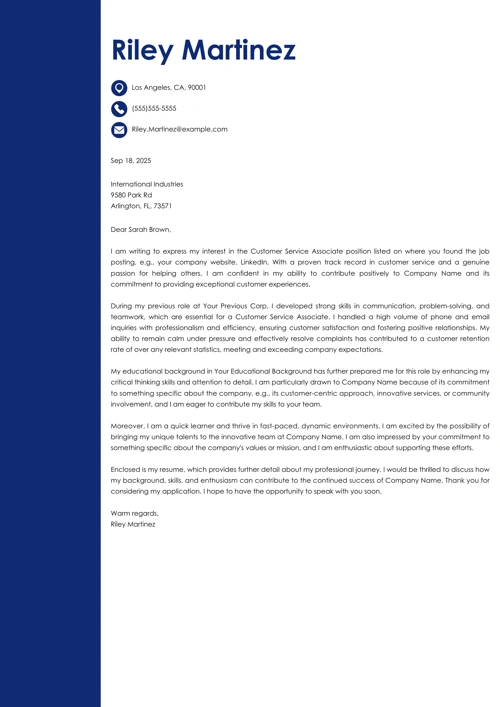
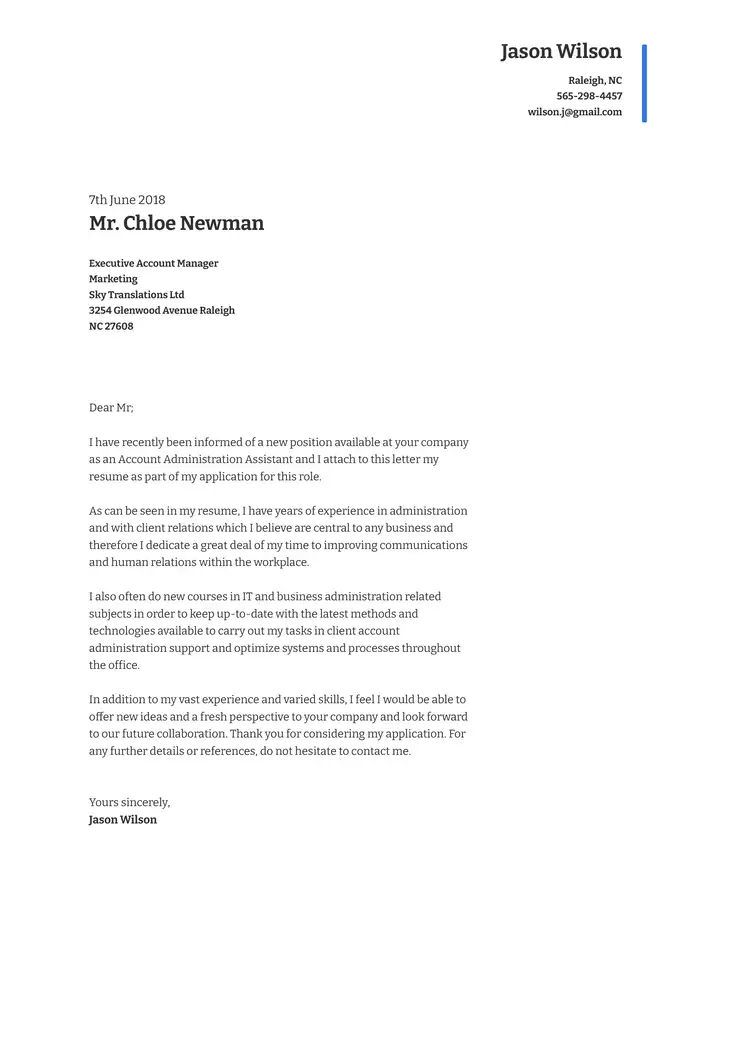
Motivation Letter Format (Standard)
A strong motivation letter usually follows this structure:
- Header (name, contact details, date)
- Greeting
- Introduction (purpose of application)
- Background and experience
- Motivation and goals
- Why this organization/program
- Conclusion
- Signature
Keep it clear, sincere, and well-structured.
How to Write a Motivation Letter (Step-by-Step)
1. Start with a Clear Introduction
Explain what you are applying for and why.
Example:
“I am writing this motivation letter to express my interest in the Master’s program in Data Science at your university.”
2. Describe Your Background
Briefly explain your education, experience, or interests relevant to the opportunity.
Focus on:
- Academic background
- Professional exposure
- Skills or learning experiences
3. Explain Your Motivation
This is the heart of the motivation letter.
Include:
- Why you chose this field
- What inspires you
- What you hope to achieve
Be honest and personal.
4. Why This Program or Organization?
Show that you have researched the opportunity.
Mention:
- Program strengths
- Values you align with
- Unique aspects that attract you
This shows seriousness and intent.
5. End with a Strong Conclusion
Reaffirm your interest and confidence.
Example:
“I am confident that this opportunity will help me grow academically and professionally, and I would be honored to be considered.”
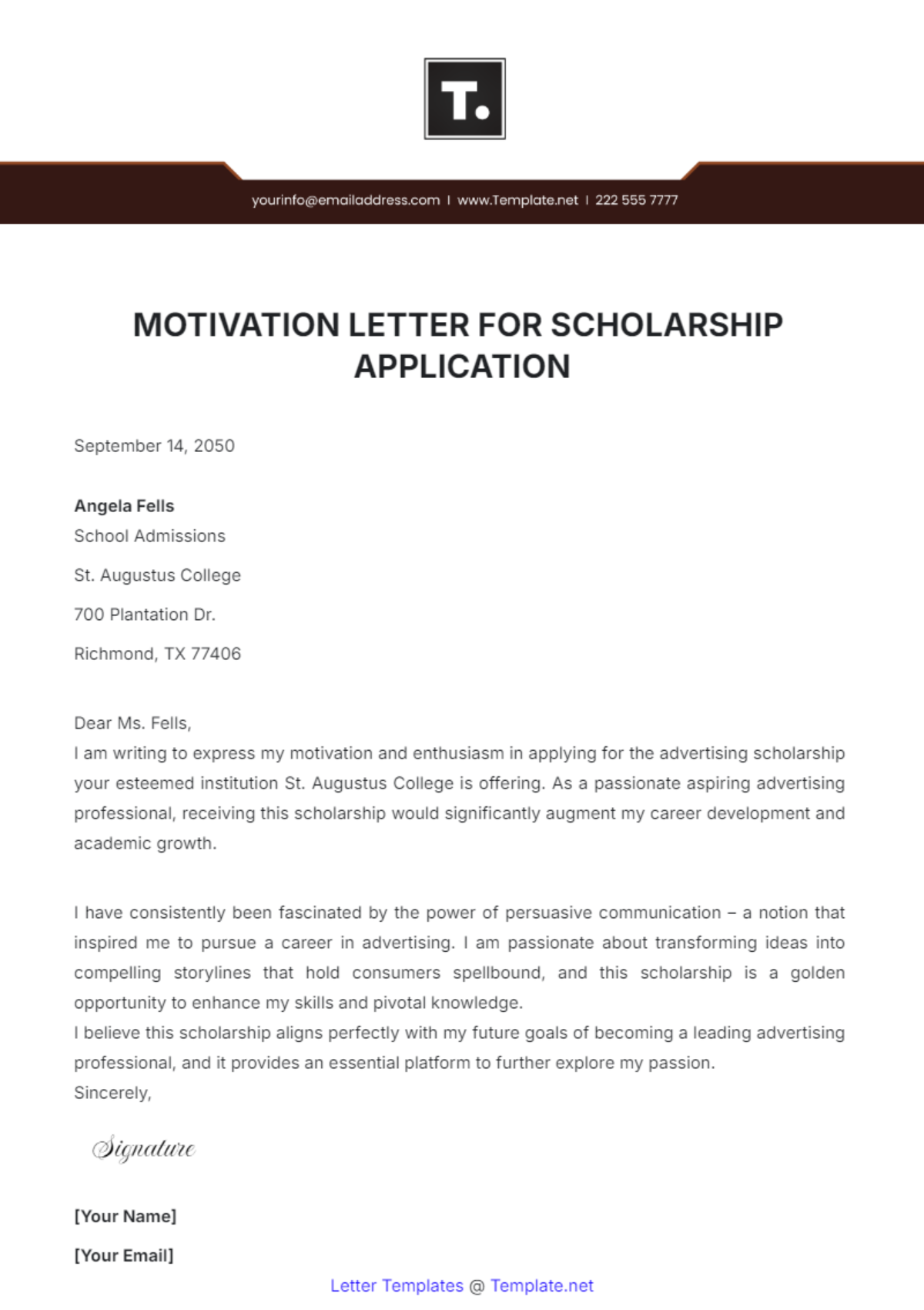
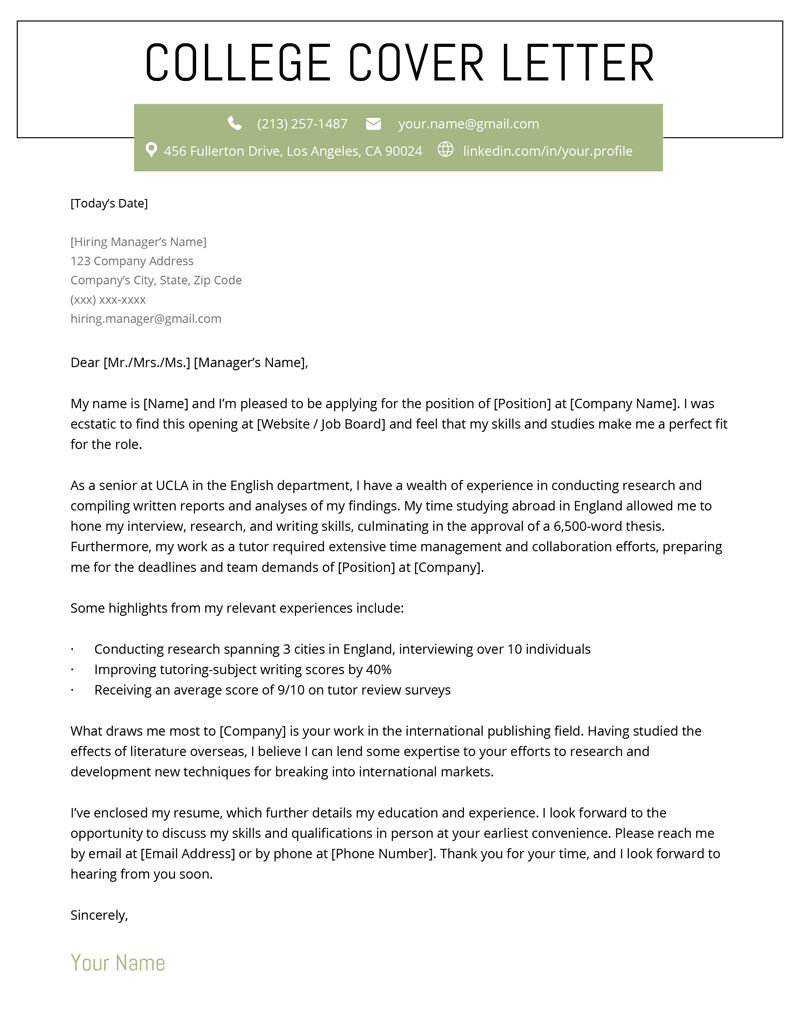
Motivation Letter Example (General)
Dear Sir/Madam,
I am writing to express my strong interest in applying for the [program/opportunity name]. With a background in [your background] and a deep interest in [field], I am motivated to further develop my skills through this opportunity.
My academic and practical experiences have helped me build a strong foundation, and I am eager to apply my knowledge in a challenging environment. I am particularly drawn to your institution because of its focus on excellence and innovation.
Thank you for considering my application. I look forward to the opportunity to contribute and grow.
Sincerely,
[Your Name]
Motivation Letter Tips
- Be authentic and honest
- Avoid copying generic templates
- Focus on goals, not just achievements
- Keep it within 1–2 pages
- Proofread carefully
A sincere motivation letter is always more impactful than a perfect but generic one.
Common Mistakes to Avoid
- Writing vague or overly general content
- Repeating your resume
- Exaggerating achievements
- Using overly formal or robotic language
- Ignoring submission guidelines
Submitting a Motivation Letter Professionally

4
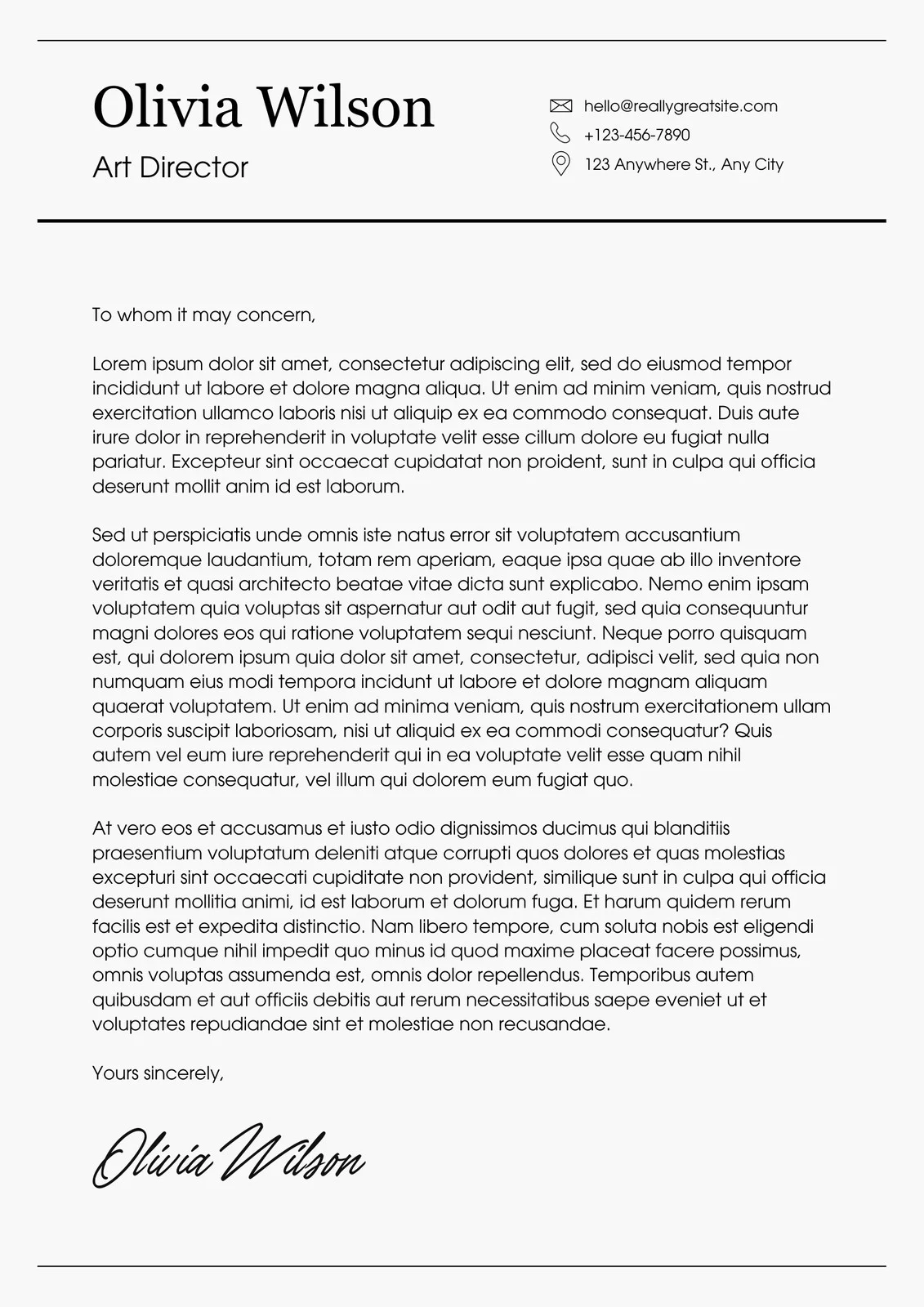
Most motivation letters are submitted online. However, physical motivation letters are still preferred or appreciated in:
- University admissions
- Scholarship applications
- Government or official submissions
- Formal international applications
With PostPatra, you can:
- Write your motivation letter online
- Format it professionally
- Print and deliver it anywhere in India
- Avoid post office visits
- Track delivery easily
This adds credibility and a personal touch to your application.
When a Motivation Letter Matters Most
A motivation letter is crucial when:
- Competition is high
- Selection is merit-based
- Your goals need explanation
- Passion and intent matter more than grades
A strong motivation letter can influence selection decisions significantly.
FAQs
1. How long should a motivation letter be?
Usually 1–2 pages, depending on requirements.
2. Is a motivation letter mandatory?
Often yes, especially for academic and scholarship applications.
3. Can I reuse a motivation letter?
Reuse the structure, but always customize the content.
4. Can a motivation letter be handwritten?
Typed letters are preferred for formal submissions.
5. Can I send a motivation letter by post?
Yes. Physical submissions are common for formal applications.
Conclusion
A motivation letter is your opportunity to speak directly to the decision-maker—to explain your purpose, passion, and potential. When written with clarity and sincerity, it can open doors that grades and resumes alone cannot.
Whether you submit it digitally or as a professionally delivered physical letter through PostPatra, your motivation letter should reflect who you are and where you want to go.
Sometimes, your motivation is your strongest qualification.
Leave a Reply