Introduction
If you searched for “coverletter,” you’re likely preparing a job application and want to understand how to write a strong cover letter. A cover letter is more than a formality—it’s your opportunity to introduce yourself, explain your motivation, and show why you’re the right fit for the role.
While resumes list skills, a coverletter tells your story. This guide explains what a cover letter is, how to write one step by step, examples you can use, and how to present it in a way that makes a lasting impression.
What Is a CoverLetter?
A coverletter is a one-page document submitted with your resume. Its purpose is to:
- Introduce you to the employer
- Explain why you are applying for the role
- Highlight relevant skills and experience
- Show enthusiasm for the company
A good coverletter is clear, focused, and tailored to the job.
Why a CoverLetter Is Important
Many candidates skip or rush their cover letters. That’s a mistake.
A strong coverletter:
- Improves your chances of getting shortlisted
- Shows communication skills
- Demonstrates effort and professionalism
- Helps explain career changes or gaps
- Makes your application more personal
In competitive roles, a coverletter can be the deciding factor.
How to Write a CoverLetter (Step-by-Step)
1. Start with a Professional Header
Include:
- Your name
- Phone number
- Email address
- Date
This keeps your application formal and organized.
2. Write a Proper Greeting
Whenever possible, address the hiring manager directly.
Examples:
- Dear Hiring Manager,
- Dear [Manager’s Name],
- Dear [Company Name] Recruitment Team,
3. Write a Strong Opening Paragraph
Mention:
- The position you’re applying for
- Where you found the job
- A brief reason you’re interested
Example:
“I am writing to apply for the Business Analyst position at your organization. With experience in data analysis and stakeholder coordination, I am excited about the opportunity to contribute to your team.”
4. Highlight Your Skills and Experience
This is the most important part of your coverletter.
Focus on:
- Relevant skills
- Key achievements
- How you can add value to the company
Avoid repeating your resume exactly—add context instead.
5. End with a Confident Closing
Close your coverletter by:
- Expressing interest in an interview
- Thanking the employer
Example:
“I would welcome the opportunity to discuss how my skills and experience align with your requirements.”
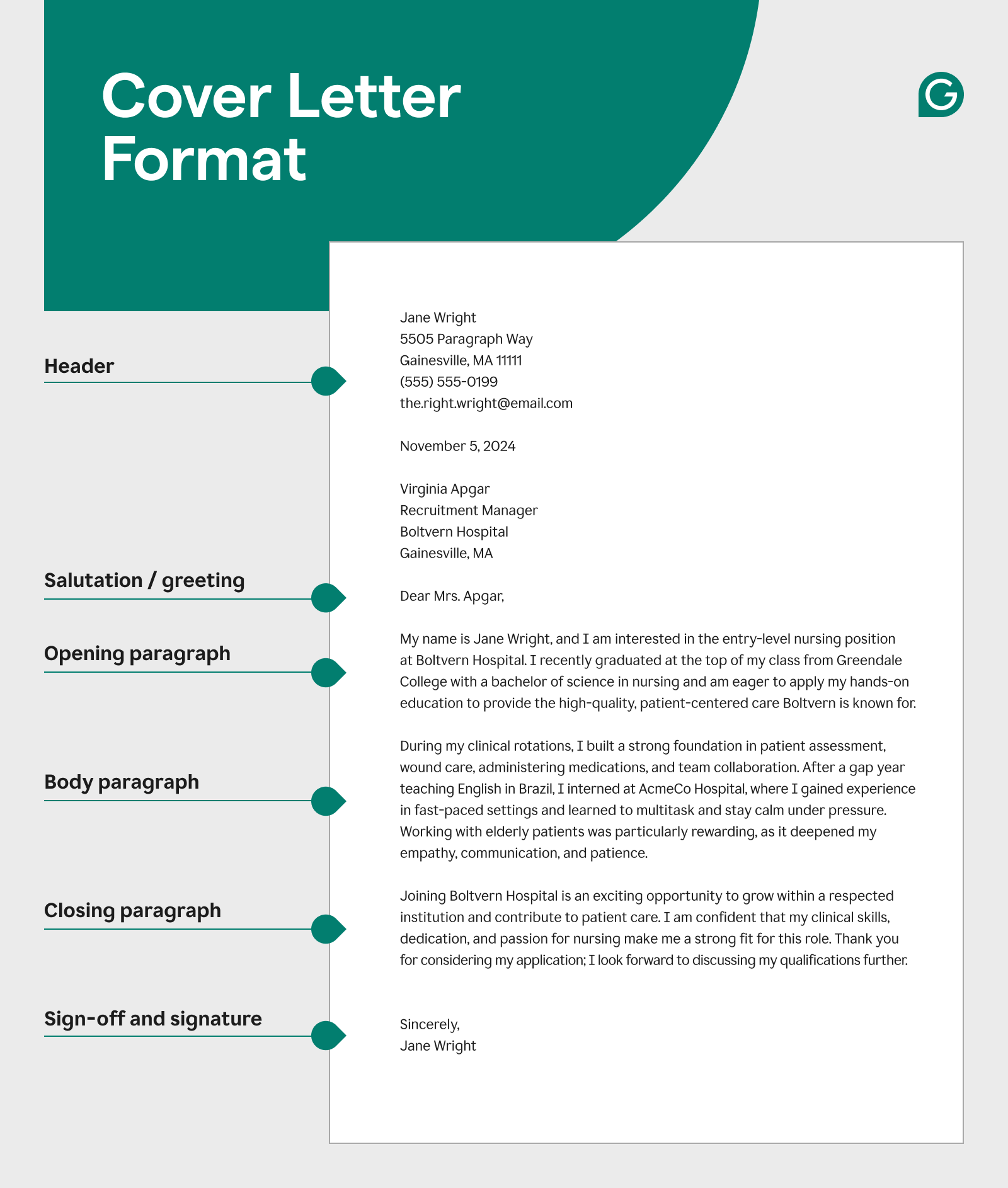
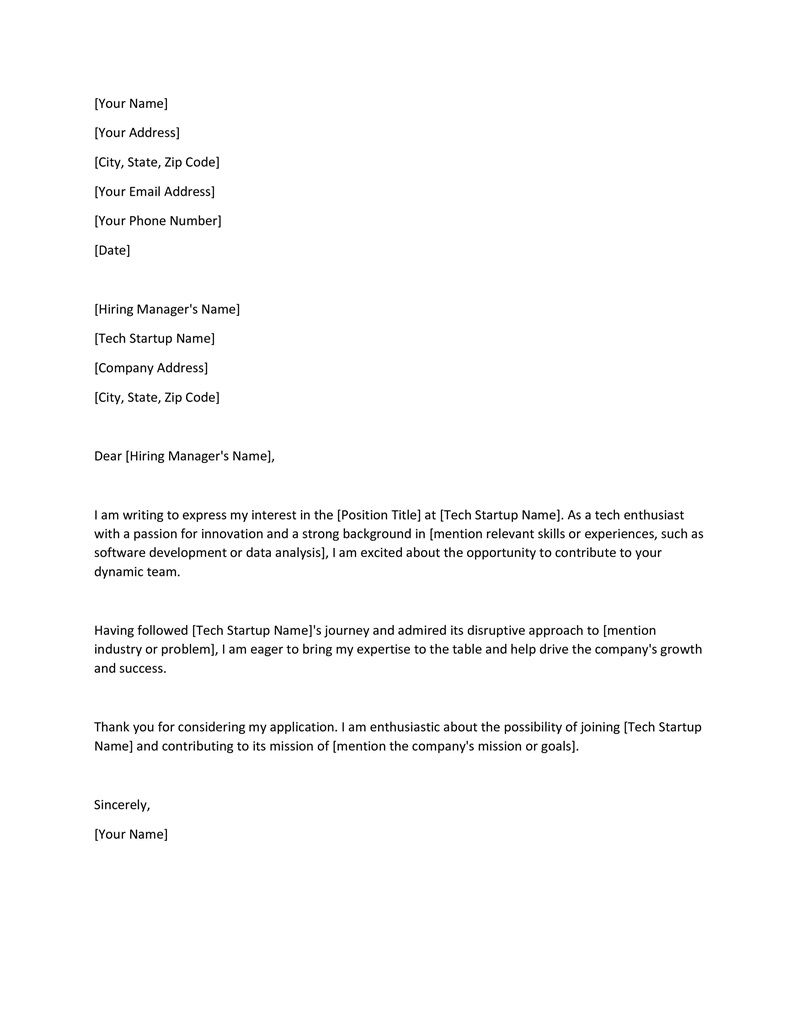
Simple CoverLetter Format
- Header
- Greeting
- Introduction
- Skills & experience
- Closing
- Signature
Keep it to one page.
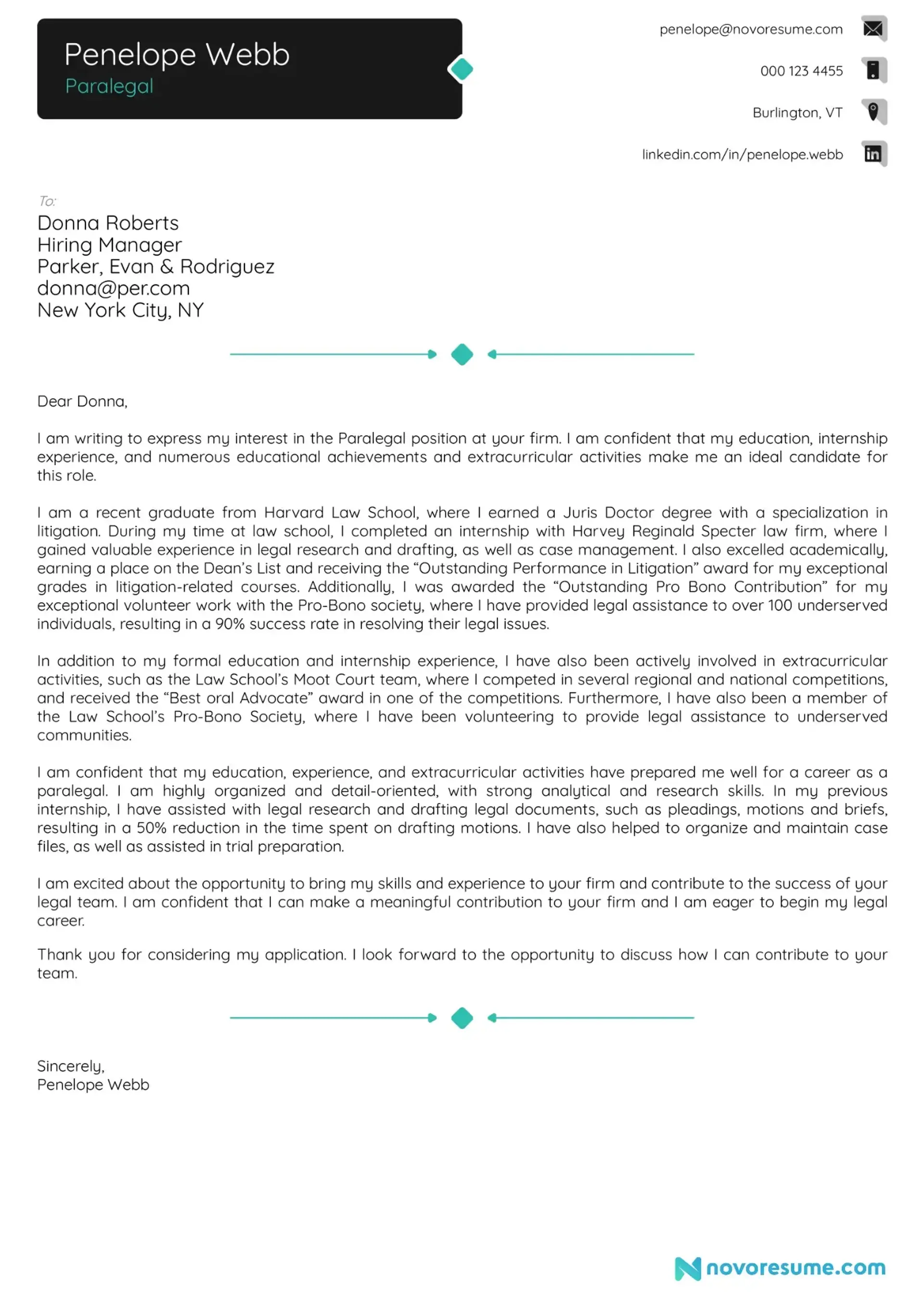
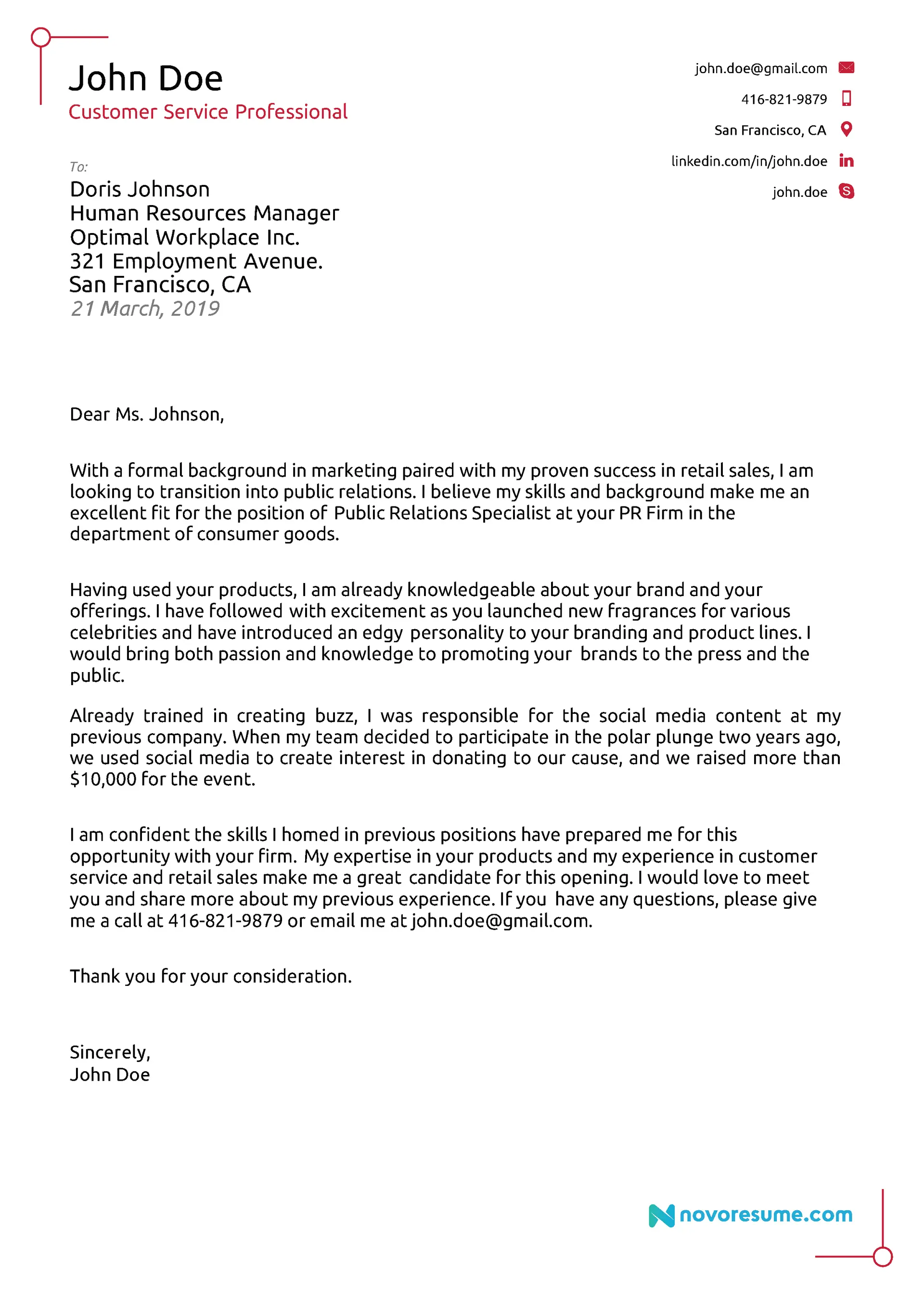
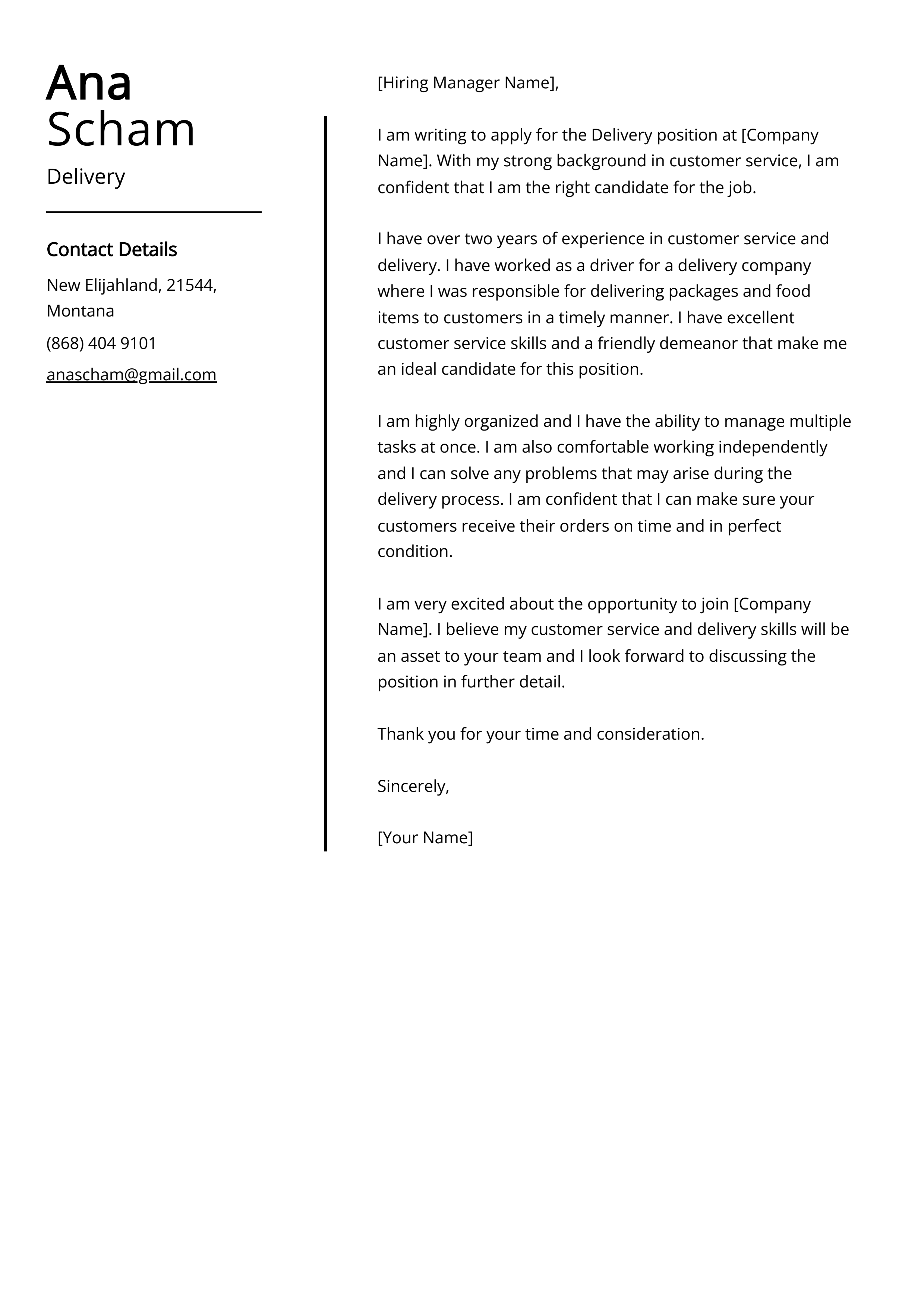
CoverLetter Example
Dear Hiring Manager,
I am writing to express my interest in the Software Developer position at your company. With a strong foundation in programming and problem-solving, I am confident in my ability to contribute effectively to your team.
In my current role, I have worked on developing applications, improving performance, and collaborating with cross-functional teams. I am particularly drawn to your organization because of its focus on innovation and growth.
Thank you for considering my application. I look forward to the opportunity to discuss my profile further.
Sincerely,
[Your Name]
Common CoverLetter Mistakes to Avoid
- Using the same coverletter for every job
- Writing more than one page
- Sounding overly formal or robotic
- Repeating the resume word-for-word
- Forgetting to proofread
Email vs Physical CoverLetter
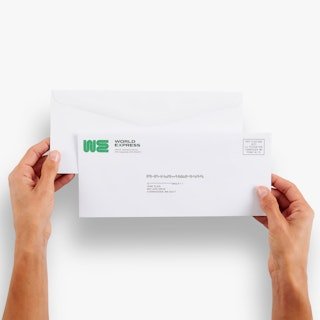
Most coverletters are sent by email. However, sending a physical coverletter can help you stand out in:
- Formal organizations
- Government or traditional companies
- Senior or leadership roles
- Follow-up applications
A physical letter shows extra effort and professionalism.
Send Your CoverLetter as a Physical Letter
4
With PostPatra, you can:
- Write your coverletter online
- Format it professionally
- Choose clean or handwriting-style fonts
- Print and deliver it anywhere in India
- Add a personal, memorable touch to your application
This is especially helpful if you’re applying remotely or want to stand out.
When a CoverLetter Matters Most
A coverletter is especially important when:
- You are a fresher
- You are switching careers
- The job market is competitive
- The job posting asks for one
- You want to explain a career gap
FAQs
1. Is a coverletter mandatory?
Not always, but it greatly improves your chances.
2. How long should a coverletter be?
One page or 3–4 short paragraphs.
3. Can I reuse a coverletter?
Reuse the structure, but customize content for each role.
4. Can I send a coverletter by post?
Yes, especially in formal job applications.
5. Can I write a coverletter online and send it physically?
Yes. PostPatra allows you to do exactly that.
Conclusion
If you’re working on a coverletter, remember this: clarity, relevance, and sincerity matter more than fancy words. A strong coverletter connects your experience to the employer’s needs and shows why you’re genuinely interested in the role.
And if you want to elevate your application beyond the inbox, PostPatra helps you turn your coverletter into a professionally delivered physical letter—helping you stand out where it truly matters.
Sometimes, effort is the best qualification.
Leave a Reply